Your Journey, Our Expertise...
Menu

Baruntse Expedition

18 Days • Moderate-Hard • Best season: Autumn/Spring
Baruntse Expedition

Overview

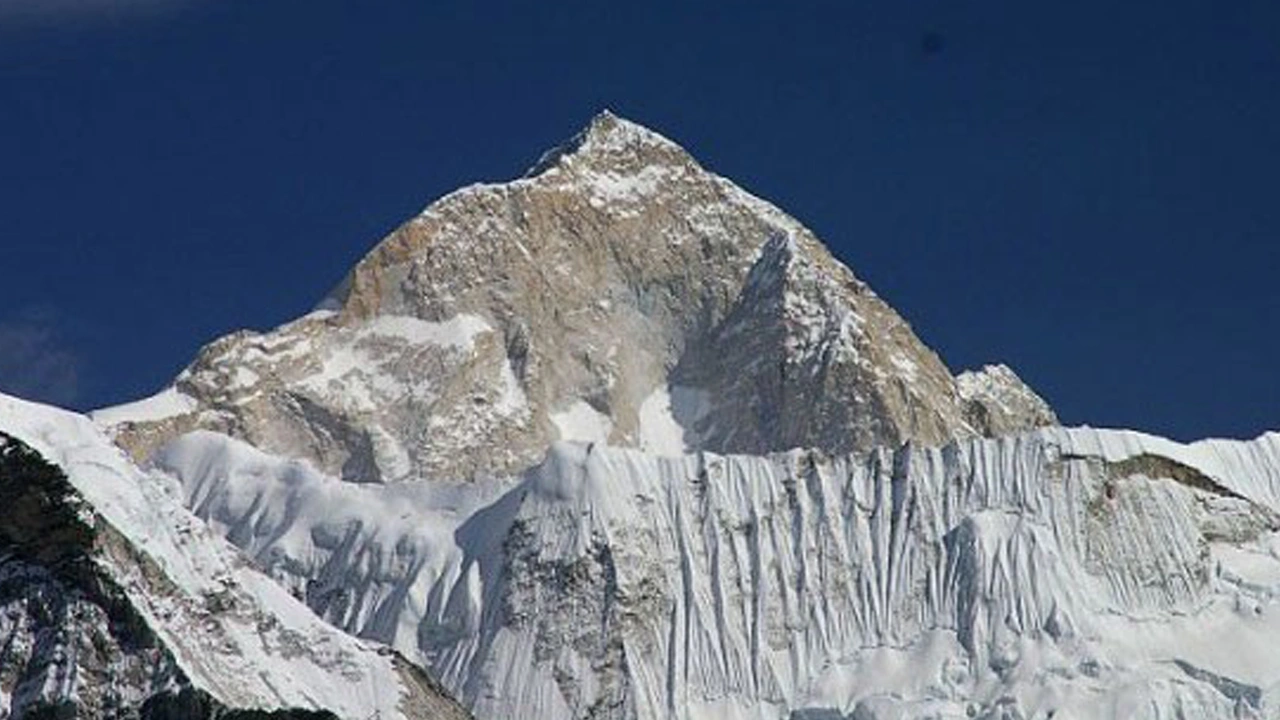
The Baruntse Expedition is a 35-day high-altitude adventure to Baruntse (7,129m / 23,389ft), located in the Everest region of Nepal. This peak is renowned for offering climbers a challenging yet rewarding experience, combining technical snow and ice climbing with spectacular Himalayan scenery. Baruntse is ideal for experienced mountaineers seeking to sharpen their high-altitude climbing skills while enjoying views of some of the world’s highest peaks, including Mount Everest, Lhotse, Makalu, and Ama Dablam.

The journey begins with arrival in Kathmandu, where climbers are briefed and prepared for the expedition. From Kathmandu, a scenic flight to Lukla marks the start of the trek through the heart of the Everest region, passing Sherpa villages like Namche Bazaar, Pangboche, and Dingboche. The route provides excellent opportunities for acclimatization, cultural experiences, and panoramic views of Himalayan peaks.

The climb involves rotations between base camp and higher camps, allowing climbers to adapt safely to the altitude. The summit push is technical, requiring expertise in glacier travel, steep snow slopes, and fixed rope techniques. Reaching the Baruntse summit rewards climbers with unrivaled 360-degree views of the surrounding mountains, glaciers, and valleys.

Beyond climbing, the expedition immerses participants in Sherpa culture, Buddhist monasteries, and the natural beauty of the Khumbu region. With professional mountaineering guides, Sherpas, and support staff, the Baruntse Expedition ensures a safe, well-organized, and culturally enriching Himalayan adventure.

Baruntse Expedition | Major Highlights

  • Summit Baruntse (7,129m / 23,389ft) via the standard climbing route.
  • Trek through the Everest region, including Namche Bazaar, Pangboche, and Dingboche.
  • Spectacular Himalayan panoramas including Everest, Lhotse, Makalu, and Ama Dablam.
  • Cultural experiences in Sherpa villages and visits to Buddhist monasteries.
  • Glacier and high-altitude climbing practice.
  • Full expedition support with experienced guides, Sherpas, and cooks.

Baruntse Expedition

Trekking & Hiking Adventure

Duration 35 Days
Grade Moderate-Hard
Meal B/L/D
Accomodation Hotel/Lodge
Best Season Autumn/Spring
Start/End Kathmandu
Max Altitude 7129
Activity Mountain Expedition
Day 1 — Arrival in Kathmandu & Transfer to Hotel
Elevation 1400 m

Upon arrival at Tribhuvan International Airport in Kathmandu, travelers complete standard visa and immigration formalities before being greeted by our team. From the airport, a comfortable transfer takes you to your hotel in Thamel, the lively heart of Kathmandu’s tourist district. Thamel is a bustling neighborhood filled with narrow streets, colorful shops, vibrant cafés, and small temples tucked between modern buildings. The area is rich in cultural charm, offering glimpses of traditional Nepali life alongside international influences.

The evening provides an excellent opportunity to explore the surroundings at a leisurely pace. Wander through local streets lined with handicraft shops, souvenir stores, and vibrant markets, where artisans display handwoven fabrics, traditional jewelry, prayer flags, and intricate wood carvings. Stop at a cozy café or tea house to sample Nepali cuisine, from momo dumplings to spicy lentil soups, while soaking in the scents and rhythms of the city. Small temples and shrines scattered throughout Thamel offer a peaceful contrast to the energetic street life and provide insight into local spiritual practices.

This first day in Kathmandu is designed for gentle acclimatization, allowing your body to adjust to the lower but still significant altitude before embarking on the high-altitude trek. Evening views from your hotel rooftop or nearby hilltops reveal the Kathmandu valley bathed in warm sunlight, setting the perfect tone for the adventure ahead. Take time to rest, organize gear, and mentally prepare for the upcoming Himalayan journey.

Highlights: Explore Kathmandu cityscape, immerse in local culture, enjoy shopping and street life, gentle acclimatization, and scenic sunset views from the hotel or nearby viewpoints.

Accomodation: Hotel
Meals: Lunch & Dinner
Day 2 — Official Formalities, Gear Check & Kathmandu Sightseeing
Elevation 1400 m

Today is dedicated to preparing for your high-altitude trek and climb, ensuring that all logistical, administrative, and equipment matters are thoroughly completed before departure. The day begins with the completion of trekking and climbing permits, as well as registration with local authorities, a necessary step for safety and legal compliance in the Everest region. This administrative process also gives trekkers an opportunity to familiarize themselves with the official procedures and requirements of high-altitude expeditions in Nepal.

Our experienced guides will conduct a comprehensive briefing covering essential topics for the journey ahead. This includes packing essentials for trekking and climbing, health and acclimatization strategies to reduce the risk of altitude sickness, detailed expedition schedules, and emergency protocols to ensure safety in all situations. Additionally, guides will verify that all climbing and trekking gear fits correctly and functions as expected, including boots, harnesses, ropes, and oxygen systems if applicable.

For those interested in cultural exploration, optional sightseeing can be arranged to some of Kathmandu’s most iconic landmarks. These include the sacred Pashupatinath Temple, the UNESCO-listed Boudhanath Stupa, or the hilltop Swayambhunath Stupa (Monkey Temple), each offering rich insights into Nepalese spirituality, architecture, and traditions. The day also provides a final opportunity to purchase any last-minute trekking gear, clothing, or personal items, such as poles, thermal layers, or snacks for the journey.

Trekkers are advised to stay well-hydrated, avoid strenuous activity, and use this day to rest and mentally prepare for the challenging high-altitude expedition ahead.

Highlights: Cultural immersion in Kathmandu, comprehensive expedition and safety briefing, final equipment checks, optional temple visits, and preparation for high-altitude trekking and climbing.

Accomodation: Hotel
Meals: Breakfast, Lunch & Dinner
Duration: Half-day
Day 3 — Fly to Lukla (2,860 m) & Trek to Chutanga (3,050 m)
Ups ↑ 1450 m
Elevation 2860 m
Distance ⟺ 8 km

The adventure officially begins with an early morning flight from Kathmandu to Lukla, widely regarded as one of the most scenic and adrenaline-filled flights in the world. As the small aircraft navigates the Himalayan valleys, passengers are treated to breathtaking aerial views of snow-capped peaks, terraced hillsides, and winding rivers. Upon landing at Lukla’s compact airstrip, you are greeted by your Sherpa team and porters, who will carry your main luggage for the trek, allowing you to walk more comfortably and focus on the journey ahead.

From Lukla, the trek begins toward Chutanga village, following well-marked paths through the Makalu Barun Conservation Area, an area known for its rich biodiversity and pristine alpine landscapes. The trail gently meanders along forested slopes, crossing small rivers via wooden or suspension bridges, and occasionally passing local monasteries where the serene chanting of monks adds a spiritual dimension to the surroundings. This introductory trek is intentionally moderate in pace, allowing your body to begin acclimatizing to higher altitudes while giving you time to appreciate the dramatic Himalayan scenery.

Along the way, trekkers encounter small Sherpa settlements, stone houses, prayer flags, and the first bursts of alpine flora, including rhododendrons, junipers, and wildflowers. The Dudh Koshi River valley unfolds beneath the trail, offering spectacular views of surrounding peaks and glacial streams. Photographers and nature enthusiasts will find countless opportunities to capture the beauty of the mountains and the vibrant local culture.

Tip: Walk at a slow, steady pace to help your body adjust to altitude and keep your camera ready for stunning vistas of river valleys, forests, and snow-capped peaks.

Highlights: Scenic Lukla flight, first interaction with Sherpa villages, river crossings, forested trails, alpine flora, and the gentle introduction to Himalayan trekking.

Accomodation: Lodge
Meals: Breakfast, Lunch & Dinner
Duration: 3–4 hours
Day 4 — Trek to Thuli Kharka via Zatrwa La Pass (4,610 m)
Ups ↑ 250 m
Elevation 3050 m
Distance ⟺ 10 km

Today’s trek is one of the more physically demanding stages of the expedition, as you ascend toward Zatrwa La Pass, situated at 4,610 meters. The trail steadily climbs through varied terrain, including rocky ridges, loose scree, and occasional snow patches at higher elevations. The ascent requires focus, careful footing, and steady pacing, but the effort is richly rewarded with spectacular views of the surrounding Himalayan peaks. The morning often brings clear skies, allowing trekkers to admire sweeping panoramas of iconic mountains such as Mera Peak, Baruntse, and other towering giants in the region.

Upon reaching the summit of Zatrwa La, take time to pause, rest, and capture photographs. The pass itself is an exhilarating high point of the trek, offering a sense of accomplishment and a chance to appreciate the vastness and rugged beauty of the Khumbu and Barun valleys. From the pass, the trail descends carefully into Thuli Kharka, a high alpine pasture dotted with hardy vegetation, glacier-fed streams, and occasional small settlements. This serene landscape is ideal for observing alpine flora, from low shrubs to wildflowers, which add color and life to the otherwise rocky environment.

The descent can be challenging due to scree and uneven terrain, so using trekking poles is highly recommended for stability and support. Maintaining a steady pace is crucial to avoid early fatigue, particularly at this altitude. Along the way, the combination of pristine landscapes, glacial waters, and panoramic mountain vistas creates countless opportunities for photography and quiet reflection.

Tip: Trek slowly, use poles for balance, and stay hydrated. Take short breaks to enjoy the scenery without overexerting yourself.

Highlights: Breathtaking Zatrwa La Pass panorama, alpine vegetation, glacier-fed streams, challenging scree descent, and excellent photographic opportunities.

Accomodation: Lodge/Teahouse
Meals: Breakfast, Lunch & Dinner
Duration: 6–7 hours
Day 5 — Trek to Kothe (3,700 m)
Down ↓ 330 m
Elevation 4100 m
Distance ⟺ 12 km

After the strenuous ascent over Zatrwa La Pass, today’s trek provides a welcome change of pace as you descend into the scenic Hinku Valley. The trail meanders through lush alpine meadows, interspersed with rugged cliffs that frame the valley, creating a dramatic and picturesque landscape. Along the way, trekkers pass through dense pine and rhododendron forests, where the morning sunlight filters through the trees, illuminating patches of moss, wildflowers, and scattered streams. Small wooden bridges and stepping stones allow you to cross the fast-flowing tributaries of the Hinku River, whose crystal-clear waters rush from the surrounding glaciers.

The descent gradually leads toward Kothe village, a traditional Sherpa settlement where stone houses, prayer flags, and mani walls add cultural charm to the natural scenery. The trail today is gentle, featuring minor ups and downs that give your legs a relative respite after the high-altitude challenge of Zatrwa La Pass. The calm environment of the Hinku Valley allows trekkers to breathe deeply, enjoy panoramic views, and soak in the serenity of the alpine wilderness.

Along the route, wildlife enthusiasts may spot local fauna such as musk deer, pheasants, and occasionally Himalayan monals, adding to the richness of the experience. In the distance, the first glimpses of Mera Peak emerge, a towering reminder of the peaks yet to be explored. Frequent stops for hydration and light snacks are recommended, especially while descending, to maintain energy and prevent muscle cramps.

Tip: Walk at a comfortable pace, hydrate regularly, and savor the valley scenery without rushing.

Highlights: Expansive Hinku Valley vistas, dense alpine forests, wildlife sightings, river crossings, and the distant view of Mera Peak.

Accomodation: Lodge/Teahouse
Meals: Breakfast, Lunch & Dinner
Duration: 5–6 hours
Day 6 — Trek to Thangnak (4,350 m)
Ups ↑ 650 m
Elevation 4095 m
Distance ⟺ 10 km

Today’s trek follows the Hinku River upstream, taking you deeper into the pristine alpine landscapes of the region. The trail winds along the river valley, offering panoramic views of rushing glacial waters, steep cliffs, and distant snow-capped peaks. Along the way, you reach Gondishung, where the historic Lungsumgba Gompa is perched gracefully on a ridge. This 200-year-old monastery is an important spiritual site for local Sherpas, and it is believed that prayers offered here bless climbers on their Mera Peak ascent. Visiting the monastery offers a unique cultural experience, allowing trekkers to observe traditional Buddhist rituals, prayer flags fluttering in the wind, and the serene lifestyle of the resident monks.

After leaving the monastery, the trail climbs steadily along steep, grassy slopes, gradually leading to Thangnak, a high alpine pasture traditionally used for yak grazing during the summer months. The open meadows are dotted with small streams, wildflowers, and occasional grazing yaks, creating a tranquil and picturesque environment. The high elevation provides unobstructed views of surrounding peaks, making it an ideal spot for photography, rest, and acclimatization.

Trekkers should maintain a steady pace, as the trail alternates between sun-exposed sections and windy stretches, which can be physically demanding. Short breaks to hydrate and take in the scenery will help sustain energy levels. The combination of cultural immersion, alpine meadows, and pastoral landscapes makes this day both rewarding and enriching, offering a deeper connection with the Himalayas and Sherpa traditions.

Tip: Walk steadily, protect yourself from sun and wind exposure, and take time to enjoy the monastery and scenic surroundings.

Highlights: Cultural experience at Lungsumgba Gompa, alpine meadows, yak grazing areas, and expansive views of distant Himalayan peaks.

Accomodation: Teahouse
Meals: Breakfast, Lunch & Dinner
Duration: 5–6 hours
Day 7 — Trek to Khare & Acclimatize (5,054 m)
Ups ↑ 704 m
Elevation 4350 m
Distance ⟺ 8 km

The trek from Thangnak to Khare is a demanding but rewarding stage of the Mera Peak expedition. The trail steadily ascends through steep moraines of the Dig Glacier, requiring careful footing and measured pacing. The terrain is rugged, with loose rocks, scree slopes, and occasional snow patches that test both stamina and balance. As you climb higher, the effects of thinning air become more noticeable, emphasizing the importance of a slow and steady approach. Along the way, trekkers are treated to impressive views of surrounding peaks, including the majestic Charpate Himal, as well as sweeping glacier landscapes that showcase the raw and dramatic beauty of the high Himalayas.

Upon reaching Khare, a small high-altitude settlement perched at the foot of Mera Peak, you will find a cluster of lodges and camps that serve as an important base for acclimatization. The village is quiet and remote, with stone houses, prayer flags, and a backdrop of towering peaks and glacial ridges. Spending an extra day here allows your body to adjust to the high altitude, a critical step to ensure a safe and successful climb of Mera Peak. During this period, trekkers are encouraged to perform short acclimatization walks around the area, take in the alpine scenery, and rest adequately.

Tip: Avoid overexertion, maintain high levels of hydration, and pace yourself carefully on steep terrain to minimize altitude-related discomfort. These measures are essential for a safe and enjoyable high-altitude trekking experience.

Highlights: Stunning views of Charpate Himal, glacier-fed landscapes, exposure to high-altitude trekking, and essential acclimatization for Mera Peak ascent.

Accomodation: Teahouse
Meals: Breakfast, Lunch & Dinner
Duration: 3–4 hours
Day 8 — Rest & Acclimatization at Khare
Elevation 5054 m

Today is dedicated to rest and acclimatization at Khare, a crucial step in preparing for the high-altitude climb of Mera Peak. After the physically demanding trek to reach this remote settlement, the focus is on giving your body time to adjust to the thinner air, improving oxygen absorption and reducing the risk of altitude sickness. The day can be spent relaxing in the lodges, enjoying the serenity of the high Himalayas, or taking optional short walks on nearby trails. These gentle excursions help your body adapt to the altitude while providing opportunities to observe glacial streams, moraines, and the rugged peaks surrounding the settlement.

The landscape around Khare is strikingly beautiful, with icy ridges, rocky outcrops, and distant snow-capped summits creating a dramatic alpine backdrop. Photographers and nature enthusiasts will find ample opportunities to capture the intricate details of the glaciers, the texture of the rocky terrain, and panoramic mountain vistas. Spending time outdoors in short hikes also allows for gradual acclimatization, helping to prepare your body physically and mentally for the more demanding summit rotations ahead.

Tip: Focus on consuming carbohydrate-rich meals to maintain energy levels, dress warmly to protect against high-altitude cold, and monitor yourself for any early signs of altitude sickness such as headaches, nausea, or dizziness. Rest, hydration, and mindfulness are key to ensuring a safe and effective acclimatization day.

Highlights: Stunning glacier and peak views, photography opportunities, gentle acclimatization hikes, mental and physical preparation for summit rotations, and immersion in the serene high-altitude environment.

Accomodation: Teahouse
Meals: Breakfast, Lunch & Dinner
Duration: Full Day
Day 9 — Trek to Kongma Dingma (4,900 m)
Down ↓ 154 m
Elevation 5054 m
Distance ⟺ 8–10 km

At this stage of the expedition, the route may diverge depending on the chosen itinerary, either leading toward Mera Peak Base Camp or continuing along the trail to Kongma Dingma. Both options involve steady trekking through high-altitude valleys, offering excellent opportunities for acclimatization while allowing trekkers to absorb the grandeur of the surrounding Himalayan landscapes. The trail winds past glacial moraines, alpine meadows, and rugged cliffs, revealing close-up views of prominent peaks such as Baruntse, the expansive Baruntse Glacier, and other surrounding summits that dominate the skyline.

The trek at this stage is moderate in pace but requires attention to altitude and terrain, as sections of the trail may include loose rocks, small snowfields, and uneven paths. Frequent stops are encouraged, both for hydration and to enjoy the tranquil alpine environment, where the silence is broken only by the distant rushing of glacial streams or the occasional call of high-altitude birds. This segment not only helps your body acclimatize but also provides a mental preparation for the challenging days ahead, including the trek toward Seto Pokhari and higher elevations.

Along the way, trekkers can take time to photograph glaciers, observe alpine flora, and enjoy expansive panoramic views of high-altitude valleys. The experience combines physical conditioning with immersive nature observation, ensuring that climbers are both fit and mentally ready for the next stages of the expedition.

Tip: Take frequent breaks, pace yourself steadily, and appreciate the serene alpine surroundings to enhance acclimatization and enjoy the journey.

Highlights: High-altitude valley landscapes, glacier observation, panoramic Himalayan vistas, and preparation for the upcoming Seto Pokhari trek.

Accomodation: Teahouse
Meals: Breakfast, Lunch & Dinner
Duration: 4–5 hours
Day 10 — Mera La to Seto Pokhari
Down ↓ 500 m
Elevation 5350 m

Today’s trek takes you across rugged glacial landscapes toward the serene Seto Pokhari, or “White Lake,” a remote alpine gem nestled at 4,850 meters (15,912 feet). The journey begins at 5,350 meters (17,542 feet), with a gradual descent of approximately 500 meters over an estimated five hours. The trail winds carefully across moraine ridges, loose rocks, and glacial streams, offering trekkers a close-up view of the dramatic high-altitude terrain. Walking amidst this stark, icy environment, the enormity of the surrounding Himalayan peaks becomes increasingly apparent, providing both awe-inspiring scenery and a sense of accomplishment.

Upon arrival at Seto Pokhari, the lake’s crystal-clear waters reflect the surrounding snow-capped peaks, creating a picture-perfect setting for rest and reflection. Camping by the lake allows trekkers to enjoy a tranquil evening in a truly remote alpine environment, far from the bustle of lower villages. The area is ideal for photography, meditation, and soaking in the silence of the high mountains, broken only by the distant sound of glacial meltwater trickling into the lake. The descent to the lake is manageable but requires careful footing, as the glacial terrain can be uneven and slippery in sections.

This day also serves as an opportunity to relax, recover, and prepare for the next stages of high-altitude trekking or climbing, making it a key part of both physical and mental acclimatization.

Tip: Move steadily on the uneven glacial terrain, stay hydrated, and take time to enjoy the peaceful alpine surroundings.

Highlights: Seto Pokhari alpine lake, rugged glacial landscapes, reflective mountain vistas, tranquil camping experience, and perfect photographic opportunities.

Accomodation: Teahouse
Meals: Breakfast, Lunch & Dinner
Day 11 — Seto Pokhari to Baruntse Base Camp
Ups ↑ 365 m
Elevation 5400 m
Distance ⟺ 6–8 km

From Seto Pokhari, the trek enters a more rugged phase as the trail navigates large boulders, uneven terrain, and glacial moraines, marking the transition from trekking to high-altitude expedition-style movement. The landscape becomes increasingly dramatic, with towering peaks and expansive glaciers dominating the horizon. Along the way, trekkers cross minor passes and navigate rocky ridges, gaining their first exposure to the type of terrain they will encounter during summit rotations. The high-altitude environment tests balance, endurance, and focus, making careful pacing and proper use of trekking poles essential.

The journey provides breathtaking panoramic views of iconic Himalayan giants, including Baruntse, Ama Dablam, and Mera Peak, as well as the intricate patterns of glacial ridges and snowfields below. These vistas offer both a sense of scale and inspiration, highlighting the challenges that lie ahead while also rewarding trekkers with some of the most spectacular scenery in the region.

Upon arrival at the high-altitude base camp, the expedition team has prepared a well-organized camp, complete with sleeping tents, dining tents, and kitchen facilities. Hot meals, warm drinks, and a comfortable rest environment provide essential recovery for climbers preparing for the demanding summit rotations. The camp also serves as a staging area for acclimatization hikes and final equipment checks, ensuring that everyone is ready for the technical challenges that high-altitude climbing entails.

Highlights: Rugged glacial landscapes, panoramic high Himalayan views, preparation for summit rotations, introduction to high-altitude climbing terrain, and the first exposure to expedition-style base camp life.

Accomodation: Camp Tent
Meals: Breakfast, Lunch & Dinner
Duration: 4–5 hrs
Day 12–27 — Climbing & Summit of Baruntse (7,129 m)
Ups ↑ 1829 m
Down ↓ 1829 m
Elevation 7129 m

This phase of the expedition focuses on rotational climbs for acclimatization, a crucial step before the final summit push on Baruntse (7,129 m). Climbers progressively ascend to higher camps and then return to lower camps, allowing the body to adapt to extreme altitude while practicing glacier and ridge navigation. Once favorable weather conditions are confirmed, the summit attempt begins early in the morning, often under clear skies. The climb offers a combination of technical challenges, breathtaking scenery, and profound personal achievement.

Camp I (6,100 m): Located along the south-east ridge, Camp I involves a steady climb on steep slopes averaging 45°, with mixed snow and rock terrain. This camp introduces climbers to high-altitude ridge climbing and requires careful footing, proper use of crampons, and ice axe techniques. The camp is often exposed to wind and colder temperatures, so staying warm and hydrated is essential. The surrounding ridges and glaciers provide spectacular views of the lower Barun Valley and neighboring peaks.

Camp II (6,400 m): Positioned above the upper Barun Glacier, Camp II presents glacial slopes, crevasses, and avalanche-prone areas, requiring careful navigation and roped movement. Climbers refine their ice climbing and crevasse-crossing skills while continuing acclimatization. The camp offers a unique vantage point of Baruntse’s eastern face, with towering seracs and deep blue ice formations, emphasizing both the beauty and risks of high-altitude mountaineering.

Camp III (6,500 m): This camp is situated at the base of a challenging ice wall ascent, with slopes reaching up to 75° leading to a small col. Camp III serves as the final staging area before the summit. Climbers focus on technical preparation, resting, and monitoring oxygen levels to ensure readiness for the demanding summit climb. The surrounding terrain provides dramatic views of Baruntse’s ridges, the Barun Glacier, and nearby high peaks.

Summit (7,129 m): The summit push involves a ridge traverse along steep snow and ice slopes. Reaching the top rewards climbers with 360° panoramic vistas encompassing Everest, Lhotse, Nuptse, Makalu, Cho Oyu, Kanchenjunga, and Mera Peak. The emotional and mental satisfaction of standing atop Baruntse is unparalleled. After soaking in the views and taking photographs, climbers descend carefully along the same route back to lower camps, mindful of fatigue and altitude effects.

Acclimatization Tip: Maintain hydration, monitor oxygen levels, rest between climbs, pace yourself on steep terrain, and follow Sherpa instructions closely.

Highlights: Summit of Baruntse, glacier and ridge climbing experience, technical ice wall navigation, breathtaking Himalayan panoramas, and profound personal achievement.

Accomodation: Camp Tent
Meals: Breakfast, Lunch & Dinner
Duration: 15 Days
Day 28 — Trek to Amphu Lapcha Base Camp (5,400 m)
Down ↓ 1729 m
Elevation 5400 m
Distance ⟺ 8 km

After the successful ascent of Baruntse, the expedition begins its descent from the high camps back toward lower valleys. At the base camp, climbers and trekkers participate in clean-up activities, ensuring that tents, cooking areas, and surrounding grounds are left free of garbage and waste. This practice of responsible mountaineering not only preserves the pristine Himalayan environment but also sets a positive example for future expeditions. It is customary to also tip the support staff, acknowledging their hard work, guidance, and essential role in making the climb safe and successful.

The descent to Khamedingma involves trekking through stunning alpine landscapes, with vistas of rugged cliffs, glacial moraines, and distant peaks. The trail, while downhill, still requires careful attention to footing on loose rocks and uneven terrain, particularly after high-altitude climbs. The journey provides a slower pace compared to summit days, allowing trekkers to soak in the surrounding scenery and reflect on the achievements and challenges of the Baruntse expedition. Along the way, glimpses of valley streams, alpine meadows, and towering ridges make for excellent photographic opportunities.

Upon arrival in Khamedingma, trekkers enjoy a comfortable overnight stay in a lodge or camp, providing rest and recovery before embarking on the next adventure: the Amphu Lapcha Pass. This stop is also a chance to check gear, hydrate, and mentally prepare for the upcoming high-altitude traverse.

Highlights: Practicing environmental responsibility at base camp, traversing alpine landscapes, enjoying panoramic valley views, and preparing for the challenging Amphu Lapcha Pass adventure.

Accomodation: Camp Tent
Meals: Breakfast, Lunch & Dinner
Day 29 — Trek to Chukhung via Amphu Lapcha Pass (5,845 → 4,730 m)
Ups ↑ 500 m
Elevation 5845 m
Distance ⟺ 12 km

The day begins with the climb of Amphu Lapcha Pass, one of the most challenging high-alpine routes in the Everest region, standing at 5,845 meters. This pass demands careful navigation over snow, ice, and steep rocky sections, testing both physical endurance and technical trekking skills. Climbers and trekkers must move deliberately, using crampons and ice axes where necessary, while paying close attention to footing on crevassed glaciers and exposed ridges. The high altitude and thin air make pacing and acclimatization essential, and regular short breaks are recommended to maintain energy and focus.

As you ascend, the panoramic vistas of surrounding peaks gradually unfold. Towering giants such as Ama Dablam, Lhotse, Nuptse, and Baruntse dominate the skyline, while glacial valleys and snowfields stretch out below. The pass itself provides a unique vantage point to observe the intricate patterns of moraines, crevasses, and ice walls, highlighting the raw and dramatic beauty of the high Himalayas. Along the route, hardy high-altitude flora—including mosses, lichens, and small alpine flowers—adds subtle color to the otherwise stark glacial landscape.

After reaching the summit of Amphu Lapcha Pass, the trail descends carefully toward Chukhung village, a charming settlement nestled amid towering peaks. The descent, though less physically demanding than the climb, still requires attention due to loose rocks, ice patches, and glacial streams. Upon arrival, trekkers are rewarded with spectacular views of Ama Dablam and Lhotse, providing a sense of accomplishment and serenity after the strenuous pass crossing.

Highlights: Amphu Lapcha Pass panorama, glacial streams, ice walls, challenging snow and rock navigation, exposure to high-altitude alpine flora, and awe-inspiring Himalayan vistas.

Accomodation: Teahouse
Meals: Breakfast, Lunch & Dinner
Day 30 — Trek to Namche Bazaar (3,440 m)
Down ↓ 1290 m
Elevation 3440 m
Distance ⟺ 10–12 km

Following the challenging Amphu Lapcha Pass, the trek continues with a descent from Chukhung, guiding trekkers through a mix of alpine meadows, pine forests, and rocky trails. The journey downhill is physically less demanding than high-pass crossings but requires careful attention to footing on uneven terrain and river crossings. Along the way, glacial streams and small rivers provide scenic highlights, reflecting the surrounding snow-capped peaks and alpine vegetation. The forests are alive with high-altitude wildlife, including Himalayan birds, pheasants, and occasionally sightings of musk deer, adding richness to the trek.

As the trail winds downward, the landscape gradually transitions from stark alpine scenery to more forested and inhabited valleys. Eventually, trekkers reach Namche Bazaar, widely regarded as the cultural and economic hub of the Khumbu region. This bustling Sherpa town is a vibrant mix of traditional stone houses, prayer flags, teahouses, and local markets selling handicrafts, trekking gear, and souvenirs. Resting in Namche Bazaar allows trekkers to recover from the high-altitude exertion while immersing themselves in Sherpa culture, observing daily life, and enjoying the hospitality of local cafés and lodges. Panoramic views of the surrounding peaks provide a constant reminder of the mountains traversed during the expedition.

This stage offers a balance of physical activity and cultural engagement, combining scenic forests, river valleys, and highland settlements with opportunities to interact with local communities. The descent also serves as a mental and physical transition from high-altitude challenges toward lower, more comfortable elevations.

Highlights: Rich Sherpa culture, bustling local markets, panoramic valley views, alpine and pine forests, glacial streams, and forest wildlife sightings.

Accomodation: Teahouse
Meals: Breakfast, Lunch & Dinner
Duration: 5–6 hrs
Day 31 — Trek Back to Lukla (2,610 m)
Down ↓ 830 m
Elevation 3900 m
Distance ⟺ 12 km

The final trekking day involves retracking the trail from Namche Bazaar back to Lukla, providing a gentle yet reflective conclusion to the high-altitude expedition. The route winds through dense pine and rhododendron forests, alongside rushing rivers and glacial streams that have accompanied trekkers throughout the journey. Crossing wooden and suspension bridges one last time, you pass familiar Sherpa villages, prayer flags fluttering in the wind, and terraced hillsides, evoking memories of the challenging and rewarding days spent in the Khumbu region.

The descent is physically easier than the high-pass and summit days, allowing trekkers to take in the scenery with renewed appreciation. The mountains gradually recede, yet the panoramic vistas of distant peaks remain a constant reminder of the grandeur of the Himalayas. Along the way, there are opportunities to observe alpine flora, local wildlife, and cultural landmarks one last time, creating a reflective atmosphere as the trek nears its conclusion.

Upon arrival in Lukla, a comfortable hotel awaits, providing a warm shower, soft beds, and a chance to rest and rejuvenate. The evening is perfect for reflecting on the trek, sharing stories with fellow trekkers, and enjoying a final moment of peace amidst the mountains. This final stop serves as a symbolic farewell to the Khumbu region and the communities that supported the expedition.

Highlights: Farewell to Khumbu villages and local communities, last panoramic alpine vistas, reflections on the journey, final trekking memories, and preparation for the return flight to Kathmandu.

Accomodation: Lodge/Hotel
Meals: Breakfast, Lunch & Dinner
Duration: 5–6 hrs
Day 32 — Fly Back to Kathmandu & Transfer to Hotel
Down ↓ 1210 m
Elevation 1400 m

The final chapter of the expedition begins with a scenic flight from Lukla back to Kathmandu, offering one last aerial perspective of the towering Himalayas, deep valleys, and glacial rivers traversed during the trek. The view from above provides a unique opportunity to reflect on the journey, appreciating both the scale of the mountains and the effort required to navigate their trails. The flight itself is a memorable experience, combining exhilaration with the serene beauty of the landscape.

Upon arrival in Kathmandu, trekkers enjoy free time to relax, explore the city, or complete last-minute shopping. Thamel’s bustling streets offer a variety of handicrafts, souvenirs, trekking gear, and local art, while cultural enthusiasts may choose to visit iconic sites such as Pashupatinath Temple, Boudhanath Stupa, or Swayambhunath (Monkey Temple). This period provides a chance to unwind, reflect on the expedition, and enjoy the vibrant atmosphere of Nepal’s capital.

In the evening, a farewell dinner is organized, featuring traditional Nepali music, dance, and cuisine. The gathering allows participants to share stories, celebrate their accomplishments, and express gratitude to the guides, Sherpa team, and support staff who made the expedition possible. The dinner creates a festive and emotional conclusion, blending cultural immersion with personal achievement.

Highlights: Scenic aerial views of the Himalayas, free time for shopping and cultural exploration, traditional Nepali music and dance, celebratory farewell dinner, and reflection on the expedition’s achievements and memories.

Accomodation: Hotel
Meals: 2 Breakfasts + Farewell Dinner
Duration: 30-40 fly
Day 33 — Final Departure
Elevation 1400 m

On the final day of the journey, arrangements are made for a transfer to Tribhuvan International Airport at least three hours prior to your departure flight. This allows ample time for check-in, baggage procedures, and any last-minute airport formalities. During the transfer, trekkers can reflect on the extraordinary experiences of the past days, from navigating high passes and glacial landscapes to summiting peaks and immersing themselves in Sherpa culture.

Before departing, it is a poignant moment to bid farewell to the expedition team, Sherpas, guides, porters, and fellow climbers. These individuals played a crucial role in ensuring the success, safety, and enjoyment of the expedition, and parting ways often comes with a mix of gratitude and nostalgia. Trekkers leave not only with physical achievements but also with lasting friendships and shared memories forged through the challenges of high-altitude trekking and climbing.

As the plane takes off, passengers enjoy a final aerial perspective of the majestic Himalayan ranges, providing a sense of closure and appreciation for the grandeur of the mountains. The journey back home is accompanied by reflections on personal growth, perseverance, and the incredible natural beauty encountered throughout the expedition.

This day symbolizes the culmination of a life-changing adventure, offering the satisfaction of accomplishing formidable summits, experiencing remote cultures, and exploring some of the most spectacular landscapes on Earth. Trekkers return with stories, photographs, and memories that will remain vivid for a lifetime.

Highlights: Airport transfer and final logistical arrangements, heartfelt farewells to expedition staff and companions, aerial views of the Himalayas, reflection on achievements, and the lasting memories of a high-altitude adventure.

Accomodation: Hotel
Meals: Breakfast, Lunch & Dinner
Cost Includes
  • Airport transfers in Kathmandu.
  • Domestic flights (Kathmandu–Lukla–Kathmandu).
  • Accommodation in 4-star hotels in Kathmandu and teahouses/lodges during trekking.
  • Full-board meals during trekking and climbing.
  • Baruntse climbing permits and Sagarmatha National Park fees.
  • Professional mountaineering guides, Sherpa support, and cooks.
  • High-altitude climbing equipment support (tents, ropes, ladders).
  • Cultural experiences along the trekking route.
Cost Excludes
  • International airfare to/from Nepal.
  • Personal climbing gear (boots, crampons, ice axe, harness, helmet, etc.).
  • Travel insurance covering high-altitude mountaineering.
  • Tips for guides, porters, and staff.
  • Meals in Kathmandu outside of arranged hotels.
  • Optional sightseeing or activities not mentioned in the itinerary.
All Information
Equipment Checklist for Baruntse Expedition

Equipment Checklist

Trekking Equipment Checklist

Trekking in Nepal demands preparation for diverse terrains and unpredictable weather. From warm sunny days to freezing nights, you'll experience it all. Here's a category-wise breakdown of everything a trekker should bring:

1. Clothing and Layering System

Layering is key for staying warm, dry, and comfortable. The classic system includes base layers, mid-layers, and outer layers.

Base Layers (Inner Layers)

  • Moisture-wicking T-shirts (2–3 pairs, synthetic or merino wool)
  • Thermal tops and bottoms (1–2 sets, light or midweight)
  • Sports bras (for female trekkers)
  • Quick-dry trekking underwear (3–5 pairs)

Mid Layers (Insulating)

  • Fleece jacket or pullover (1–2)
  • Lightweight down or synthetic insulated jacket
  • Softshell jacket (optional)

Outer Layers (Protection)

  • Waterproof and windproof shell jacket (Gore-Tex or similar)
  • Waterproof trekking pants
  • Light windbreaker (optional)

Trekking Pants and Shorts

  • Convertible trekking pants (2 pairs)
  • Lightweight hiking shorts (1 pair)
  • Thermal trekking tights

Headwear and Handwear

  • Sun hat or cap
  • Beanie or wool hat
  • Neck gaiter or buff
  • Lightweight gloves
  • Insulated waterproof gloves

2. Footwear

Your feet are your best friends in the Himalayas. Good-quality shoes can make or break your trek.

Trekking Footwear

  • High-ankle waterproof trekking boots (well broken-in)
  • Camp shoes or sandals
  • Warm socks (2 pairs wool/synthetic)
  • Liner socks (2 pairs)
  • Gaiters (optional)

3. Backpacks and Bags

Main Backpack

  • 50–70L backpack with rain cover
  • Padded hip belt and adjustable straps

Daypack

  • 25–35L daypack
  • Rain cover

Duffel Bag (Optional)

  • 70–90L duffel bag (commonly provided by trekking agencies)

Dry Bags & Organizers

  • Waterproof dry bags
  • Packing cubes

4. Sleeping Gear

Tea houses provide basic bedding, but extra insulation ensures better sleep.

  • 4-season sleeping bag (-10°C to -20°C)
  • Sleeping bag liner
  • Inflatable pillow
  • Sleeping mat (for camping treks)

5. Eating and Drinking Essentials

  • Reusable water bottles (2 × 1L)
  • Hydration bladder (optional)
  • Water purification tablets or filter
  • Mug or cup
  • Spoon or spork
  • Trail snacks (energy bars, dry fruits)

6. Personal Hygiene and Toiletries

  • Biodegradable soap
  • Toothbrush and toothpaste
  • Quick-dry towel
  • Wet wipes
  • Hand sanitizer
  • Toilet paper
  • Lip balm with SPF
  • Sunscreen (SPF 50+)
  • Moisturizer
  • Deodorant
  • Razor and mirror
  • Feminine hygiene products
  • Nail cutter and comb

7. Health and First Aid Kit

Essential Medicines

  • Diamox
  • Paracetamol / Ibuprofen
  • Anti-diarrheal tablets
  • ORS sachets
  • Antiseptic cream
  • Band-aids, moleskin, blister plasters
  • Gauze and medical tape
  • Water purification tablets
  • Cough drops
  • Prescription medicines
  • Mosquito repellent

8. Trekking Equipment & Accessories

  • Trekking poles
  • Headlamp with extra batteries
  • Sunglasses (UV-protected)
  • Power bank (10,000 mAh+)
  • Camera or GoPro
  • Extra memory cards
  • Binoculars (optional)
  • Multi-tool or small knife
  • Duct tape
  • Lighter or matches
  • Notebook and pen
  • Small padlock
  • Travel adapter (Type C/D)
  • Portable charger/solar panel

9. Camping Gear (Optional)

  • Tent (4-season or 3-season)
  • Sleeping mat or foam pad
  • Camping stove and fuel
  • Lightweight cooking pot
  • Fire starter or lighter
  • Reusable utensils

10. Important Documents and Money

  • Valid passport with visa
  • Passport-size photos
  • Trekking permits (TIMS, ACAP, etc.)
  • Travel insurance
  • Copies of passport and insurance
  • Cash (Nepali rupees)
  • Credit/debit cards
  • Emergency contacts
  • Flight tickets and itinerary

11. Optional Comfort Items

  • Book or Kindle
  • Playing cards
  • Lightweight scarf
  • Small Bluetooth speaker
  • Snacks from home
  • Massage ball

12. Packing Tips for Nepal Trekking

  • Pack light but smart – Porters carry 15–20 kg only.
  • Use waterproof bags to protect valuables.
  • Label your items for porter organization.
  • Avoid cotton – choose wool or synthetics.
  • Test your gear before your trip.
Tips for Climbing Sherpas, Expedition Guides, and Support Staff

A Baruntse Expedition is a challenging and rewarding mountaineering adventure in Nepal's Khumbu region. Rising to 7,129 meters (23,389 feet), Mount Baruntse is known for its spectacular setting between the Everest, Makalu, and Lhotse regions. The expedition involves glacier travel, steep snow and ice climbing, and high-altitude camping, making the support of experienced climbing Sherpas and expedition staff essential for a safe and successful ascent.

Behind every successful Baruntse Expedition is a dedicated team of climbing Sherpas, expedition leaders, guides, cooks, kitchen staff, porters, and yak handlers. They transport expedition supplies, establish camps, fix ropes on technical sections, prepare meals, monitor weather conditions, and provide vital support throughout the climb.

Showing appreciation through fair tipping and respectful treatment is a long-standing tradition in Nepal's mountaineering industry. It is a meaningful way to recognize the professionalism, dedication, and hard work of the people who help make your expedition possible.

1. Sherpa, Guide, and Support Staff Wages

Professional climbing Sherpas and expedition staff receive wages based on their experience, responsibilities, expedition duration, and the company they work for. Since Baruntse is a technical mountaineering expedition, the responsibilities and risks are much greater than those on standard trekking routes.

Reputable operators such as Nepal Voyage Treks Pvt. Ltd. provide their expedition staff with:

  • Fair wages based on industry standards.
  • Food and accommodation throughout the expedition.
  • Climbing insurance and emergency rescue insurance.
  • High-quality mountaineering equipment and safety gear where required.
  • Summit bonuses for climbing Sherpas when applicable.

Although expedition staff receive salaries from the company, tipping remains a valued way to express gratitude for their dedication and excellent service.

2. How Much Should You Tip During a Baruntse Expedition?

Tipping is not compulsory, but it is customary and greatly appreciated throughout Nepal's mountaineering industry. Most climbers present tips after the expedition has been completed as a gesture of thanks for the team's professionalism, hard work, and commitment.

Recommended Tipping Guidelines

Expedition Staff Recommended Tip
Personal Climbing Sherpa USD 250–500 per climber
Expedition Leader / Lead Guide USD 150–350 per climber
Base Camp Manager USD 80–150 per climber
Kitchen Staff USD 60–120 per climber
Porters and Yak Handlers USD 40–80 per climber
Kitchen Helper USD 40–80 per climber

The amount you choose to tip may depend on:

  • The duration of the expedition.
  • The quality of service provided.
  • The number of climbers in your group.
  • The level of personal support received.
  • Whether your climbing Sherpa accompanied you during the summit climb.
  • Your overall expedition experience.

If you are climbing with a dedicated personal Sherpa, many climbers choose to offer a higher tip to recognize their skill, responsibility, and continuous support throughout the expedition.

3. Group Tipping

For group expeditions, climbers often collect their tips together and present them during the farewell dinner or celebration after returning from the mountain.

Group tipping helps ensure that every member of the expedition team receives fair recognition for their contribution to the success and safety of the climb.

Whenever possible, present tips individually in envelopes along with a sincere message of appreciation.

4. Respecting Your Climbing Sherpas and Support Team

A successful Baruntse Expedition depends on teamwork, communication, and mutual respect. Your climbing Sherpas possess years of experience working in high-altitude environments and understand the mountain's conditions better than anyone else.

Respect Their Experience

Many climbing Sherpas have successfully climbed Baruntse as well as other Himalayan peaks and have extensive knowledge of weather patterns, glacier travel, rope fixing, and high-altitude safety.

Always:

  • Listen carefully to their instructions.
  • Follow all safety procedures.
  • Respect their decisions regarding weather and climbing conditions.
  • Trust their judgment if they recommend postponing or ending a summit attempt for safety reasons.

Their decisions are based on experience and are always made with the safety of the team as the highest priority.

Appreciate Their Hard Work

Throughout the expedition, climbing Sherpas and support staff carry out many physically demanding tasks, including:

  • Carrying climbing equipment and expedition supplies.
  • Establishing and maintaining Base Camp and higher camps.
  • Fixing ropes on steep snow and ice sections.
  • Preparing meals and managing camp operations.
  • Supporting climbers during summit attempts.
  • Assisting in emergency rescue operations when necessary.

A sincere thank you and respectful attitude are always appreciated by the entire team.

5. Safety Comes Before the Summit

Standing on the summit of Baruntse is an unforgettable achievement, but returning safely is always the highest priority.

If your expedition leader or climbing Sherpa advises descending because of:

  • Severe weather.
  • Avalanche danger.
  • Heavy snowfall.
  • High winds.
  • Altitude sickness.
  • Unsafe climbing conditions.

Always respect their decision. Turning back is a wise decision that protects your safety and preserves the opportunity for future climbing adventures.

6. When and How to Tip

The best time to present tips is after the expedition has concluded, usually during the farewell dinner in Kathmandu or after returning from Base Camp.

For a respectful presentation:

  • Place your tip inside an envelope.
  • Hand it directly to the individual.
  • Personally thank them for their hard work and dedication.
  • A simple "Dhanyabad" (Thank you) is always appreciated.

A genuine expression of gratitude often means just as much as the financial reward.

7. Other Ways to Show Appreciation

While tipping is the traditional way to recognize your expedition team, there are many other thoughtful ways to show your appreciation.

You can:

  • Personally thank your climbing Sherpa after the expedition.
  • Share expedition photographs with your guides and Sherpas.
  • Leave positive reviews mentioning staff members by name on Google, TripAdvisor, or other travel platforms.
  • Recommend Nepal Voyage Treks Pvt. Ltd. to fellow climbers.
  • Stay connected with your expedition team after returning home.

These simple gestures help acknowledge the professionalism and dedication of Nepal's mountaineering community.

8. Quick Summary

Aspect Recommendation
Personal Climbing Sherpa Tip USD 250–500 per climber
Expedition Leader Tip USD 150–350 per climber
Kitchen Staff Tip USD 60–120 per climber
Porters and Yak Handlers Tip USD 40–80 per climber
When to Tip At the end of the expedition during the farewell gathering
How to Tip Present personally in an envelope with a sincere thank you
Best Practice Respect your Sherpas, follow safety advice, and appreciate every member of the expedition team

Final Note

A Baruntse Expedition is much more than reaching the summit—it is a shared achievement made possible by teamwork, trust, and the expertise of experienced climbing professionals. Your climbing Sherpas, guides, cooks, porters, yak handlers, and support staff dedicate weeks of hard work to ensure your expedition is as safe, comfortable, and successful as possible.

By offering fair tips, showing genuine appreciation, and treating every member of the expedition team with kindness and respect, you help support Nepal's mountaineering community and honor the remarkable individuals whose experience, dedication, and professionalism make climbing Mount Baruntse possible.

Travel Insurance for Baruntse Expedition

Travel insurance is a mandatory requirement for anyone planning a Baruntse Expedition. Standing at 7,129 meters (23,389 feet), Mount Baruntse is one of Nepal's most popular expedition peaks, located between the Everest and Makalu regions. The climb involves glacier travel, steep snow and ice slopes, fixed rope sections, and prolonged exposure to high altitude. Due to the remote mountain environment and limited medical facilities, comprehensive travel insurance with emergency helicopter rescue is essential for every climber.

Nepal Voyage Treks Pvt. Ltd. strongly recommends that all participants purchase comprehensive travel insurance specifically designed for high-altitude mountaineering expeditions. The right insurance policy protects you against unexpected expenses and ensures that emergency rescue and medical assistance can be arranged quickly whenever necessary.

Why Do You Need Travel Insurance for a Baruntse Expedition?

A Baruntse Expedition is physically demanding and requires excellent fitness, previous mountaineering experience, and proper acclimatization. Climbers face risks such as extreme weather, heavy snowfall, glaciers, crevasses, avalanches, falling ice, and altitude-related illnesses. Even experienced mountaineers can encounter unexpected emergencies in the Himalayas.

Comprehensive travel insurance protects you from the significant costs associated with emergency rescue, medical treatment, and expedition interruptions while allowing you to focus on your climb with greater confidence.

With the right insurance, you can benefit from:

  • Emergency helicopter rescue and evacuation from any accessible point along the Baruntse Expedition route.
  • Search and rescue operations during mountaineering emergencies.
  • Medical treatment, hospitalization, and emergency healthcare.
  • Coverage for altitude-related illnesses, including Acute Mountain Sickness (AMS), High Altitude Pulmonary Edema (HAPE), and High Altitude Cerebral Edema (HACE).
  • Coverage for injuries caused by falls, avalanches, crevasse accidents, rockfall, icefall, and other climbing-related incidents.
  • Protection against trip cancellation, interruption, or delays caused by severe weather, flight cancellations, natural disasters, or other unforeseen circumstances.
  • Coverage for lost, delayed, or damaged baggage and mountaineering equipment, depending on your policy.
  • Peace of mind throughout your expedition.

What Should Your Insurance Cover?

Not every travel insurance policy includes coverage for technical mountaineering. Before purchasing your insurance, carefully review the policy and ensure it specifically covers Baruntse Expedition and high-altitude climbing in Nepal.

1. High-Altitude Mountaineering Coverage

Your insurance policy should clearly include:

  • Baruntse Expedition.
  • Mountaineering activities up to 7,129 meters.
  • Technical climbing using fixed ropes, crampons, ice axes, ascenders, descenders, and other climbing equipment.
  • High-altitude expeditions in Nepal.

Many standard travel insurance policies exclude mountaineering above certain elevations or technical climbing activities. Always obtain written confirmation that your Baruntse Expedition is fully covered.

2. Emergency Helicopter Rescue and Evacuation

Emergency helicopter rescue is one of the most important features of your insurance policy. Baruntse is located in a remote section of eastern Nepal, and helicopter evacuation is often the fastest way to transport injured or seriously ill climbers to advanced medical facilities.

Your insurance should include:

  • Emergency helicopter evacuation from Base Camp and all accessible locations along the expedition route.
  • Helicopter rescue from higher camps where weather, terrain, and operational conditions allow.
  • Search and rescue operations coordinated with experienced rescue teams.
  • Air evacuation to the nearest appropriate medical facility, including hospitals in Kathmandu when necessary.
  • Emergency transportation costs.

Please note that helicopters cannot always operate at extreme altitudes or directly from every climbing camp. Depending on weather conditions, terrain, and aircraft limitations, injured climbers may first need assistance from climbing Sherpas and rescue teams to descend to a lower elevation before helicopter evacuation becomes possible.

Helicopter rescue in the Baruntse region can cost between USD 5,000 and USD 15,000 or more, depending on the rescue location, weather conditions, and the complexity of the operation. Nepal Voyage Treks Pvt. Ltd. strongly recommends purchasing an insurance policy that provides at least USD 100,000 to USD 200,000 in medical expenses and emergency evacuation coverage.

3. Medical Expenses

Your insurance policy should provide comprehensive medical coverage for:

  • Emergency medical treatment.
  • Hospitalization.
  • Doctor consultations.
  • Prescription medications.
  • Diagnostic tests.
  • Treatment for frostbite and cold-related injuries.
  • Treatment for altitude-related illnesses.
  • Emergency transportation.
  • Follow-up medical care after evacuation, where applicable.

Comprehensive medical coverage helps protect you from potentially significant healthcare expenses during your expedition.

4. Search and Rescue Operations

Search and rescue operations on Mount Baruntse may involve experienced climbing Sherpas, professional rescue specialists, helicopters, and coordinated emergency response teams.

Ensure your insurance policy clearly includes:

  • High-altitude search and rescue.
  • Technical mountaineering rescue operations.
  • Helicopter rescue where operationally possible.
  • Emergency coordination services.

5. Trip Cancellation and Expedition Interruption

Mountain weather, route conditions, illness, injuries, transportation delays, or government regulations may affect your expedition schedule.

A comprehensive insurance policy should reimburse eligible non-refundable expenses if your expedition is cancelled, delayed, or interrupted for covered reasons.

6. Baggage and Mountaineering Equipment

A Baruntse Expedition requires specialized climbing equipment, including:

  • High-altitude mountaineering boots.
  • Crampons.
  • Ice axe.
  • Climbing harness.
  • Helmet.
  • Ascenders and descenders.
  • Carabiners.
  • Fixed-rope equipment.
  • Down clothing.
  • Sleeping bag.
  • Glacier goggles.
  • Technical climbing gear.

Insurance covering lost, stolen, or damaged baggage and climbing equipment can help reduce unexpected financial losses during your expedition.

7. Personal Liability

Personal liability coverage protects you if you accidentally cause injury to another person or damage someone else's property during your expedition.

Recommended Travel Insurance Providers

Several international insurance companies provide specialized coverage for high-altitude mountaineering expeditions.

Popular providers include:

  • World Nomads
  • Global Rescue
  • Allianz Travel Insurance
  • True Traveller (for eligible European residents)
  • AXA Assistance

Insurance coverage varies depending on your country of residence and provider. Before purchasing your policy, confirm that it specifically covers:

  • Baruntse Expedition
  • Mountaineering up to 7,129 meters
  • Emergency helicopter rescue
  • High-altitude search and rescue
  • Technical climbing activities
  • Medical evacuation
  • Emergency medical treatment in Nepal

Important Documents to Carry

Before beginning your expedition, make sure you carry the following documents:

  • A printed copy of your travel insurance policy.
  • A digital copy stored on your phone or accessible through email.
  • Your insurance policy number.
  • Emergency contact numbers for your insurance provider.
  • Copies of your passport, Nepal visa, climbing permit, and other important travel documents.
  • Emergency contact information for your family or next of kin.

It is also recommended that you provide a copy of your insurance policy to your expedition leader and the Nepal Voyage Treks Pvt. Ltd. office before departing for the Baruntse Expedition. Keeping your insurance information readily available allows emergency helicopter rescue, medical treatment, and other emergency services to be arranged quickly if required.

Final Advice

Before purchasing travel insurance, carefully review the policy and ensure there are no exclusions for technical mountaineering or climbing above 7,129 meters. If any part of the policy is unclear, contact the insurance provider and request written confirmation that your Baruntse Expedition is fully covered.

Travel insurance is one of the most important preparations for a Baruntse Expedition. A comprehensive policy protects your health, finances, and overall expedition experience, allowing you to focus on climbing one of Nepal's most rewarding expedition peaks with confidence, knowing you are fully prepared for unexpected situations in the high Himalayas.

FAQs

The ideal seasons are pre-monsoon (March–May) and post-monsoon (late September–November). These periods offer clear skies, moderate temperatures, and safer climbing conditions.

Baruntse is a technical peak, requiring experience in glacier travel, ice and snow climbing, and fixed rope techniques. Climbers should have prior high-altitude experience.

Yes, professional mountaineering guides and Sherpas are essential for safety, navigation, and high-altitude support. Independent attempts are strongly discouraged.

Excellent fitness, endurance, and prior high-altitude experience are mandatory. Cardiovascular and strength training are recommended prior to the expedition.

Multiple rotations between base camp and higher camps are included to safely adjust to altitudes above 5,500m and minimize Acute Mountain Sickness (AMS) risk.

High-altitude boots, crampons, ice axe, harness, helmet, insulated clothing, gloves, sunglasses, and a sleeping bag rated for extreme cold are required.

Yes, only climbers with experience in high-altitude mountaineering or technical climbs should attempt Baruntse.

Yes, full-board meals are provided during trekking and climbing by professional expedition cooks.

Safety is managed through experienced guides, Sherpas, fixed ropes, high-altitude medical kits, and oxygen backup. Climbers receive training on glacier travel, avalanche awareness, and high-altitude risks.

Yes, climbers sometimes combine Baruntse with nearby peaks like Ama Dablam or Everest Base Camp climbs for acclimatization and extended Himalayan adventure.

ASSOCIATED WITH

Tourism Board
Nepal Government
Keep
NMA Nepal
TAAN

WE ACCEPT